Cold snaps, spring downpours, and summer storms can be tough on brick homes in Auburn Gresham. If you own a bungalow, two‑flat, or classic South Side masonry house, you know that small issues can turn into costly repairs if you miss the right timing. You can stay ahead of problems with a simple, season‑by‑season plan that fits Chicago’s weather.
In this guide, you’ll learn what to check each season, how to protect your brick and basement, when to call a pro, and what permits may apply. You’ll also see where to prioritize for the biggest impact. Let’s dive in.
Why Chicago seasons matter
Chicago’s freeze‑thaw cycles in winter and early spring can crack mortar and stress brick. Heavy spring and summer rains test your roof, gutters, and drainage. Hot, humid summers wear out sealants and wood trim. These patterns make regular, seasonal maintenance the most cost‑effective way to protect your home.
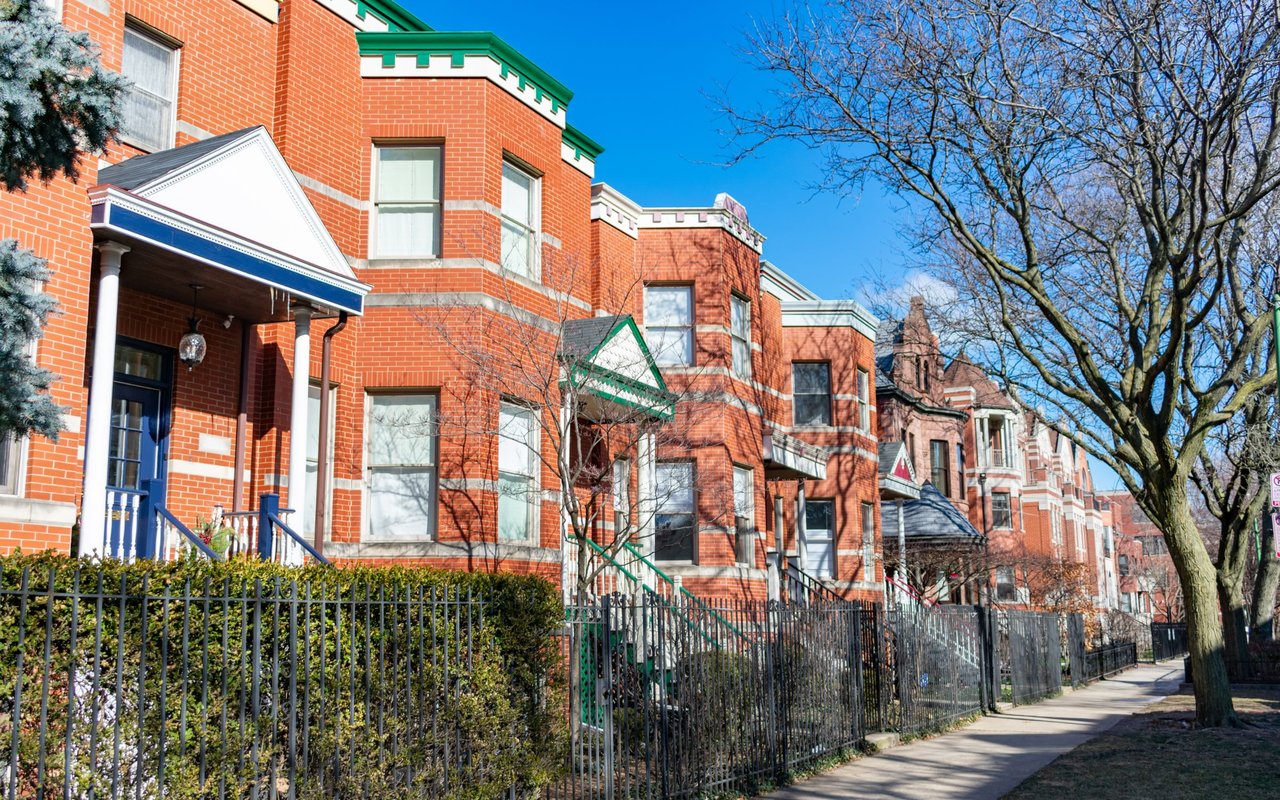
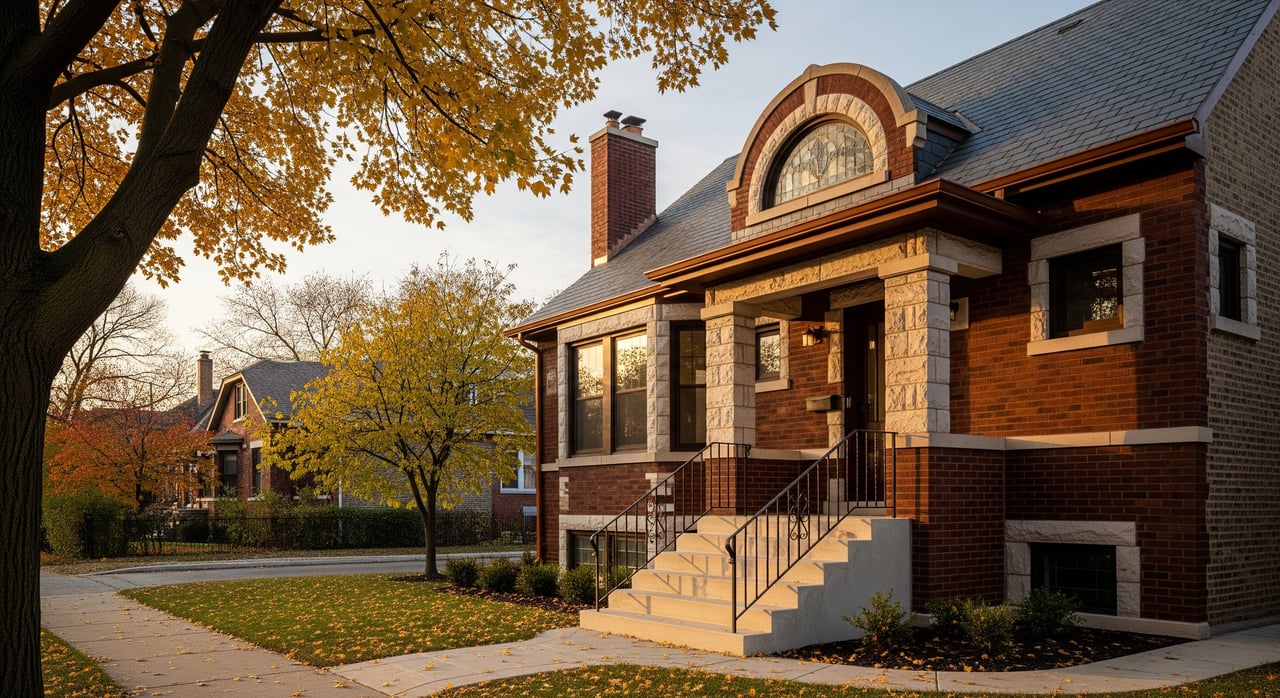
The Auburn Gresham housing stock includes older brick bungalows, two‑flats, and masonry homes. Many have lime‑based original mortar, masonry chimneys, and basements. That means preservation‑minded repairs and careful drainage are key to keeping your home dry and durable.
Spring checklist (Mar–May)
Key goal: find and fix winter damage, clear drainage, and prep for rain.
- Clean and flush gutters and downspouts. Confirm extensions move water several feet away from the foundation.
- Inspect the roof for missing shingles, blisters, loose or damaged flashing, and chimney cap issues. Schedule repairs before heavy rain.
- Walk the exterior brick. Note cracked or recessed mortar joints, spalling bricks, and white salt deposits. Photograph problem areas and get a masonry estimate if needed.
- Test your sump pump and any battery backup. Check the basement for water stains or musty odors after storms.
- Check grading around the foundation. Fill low spots and keep soil and hardscapes sloped away from the house.
- Service your air‑conditioning system before the first heat wave.
Pro to call: licensed roofer, masonry contractor experienced with historic brick, plumber for sump/backflow, HVAC technician.
Permit note: minor repairs typically do not need permits, but roof replacements or structural work may. Verify requirements before major work.
Summer checklist (Jun–Aug)
Key goal: protect the exterior, manage vegetation, and prepare for storms.
- Trim trees and branches so they do not touch the roof or walls. This reduces storm damage and moss growth.
- Inspect and refresh exterior caulking at windows and doors. Repair any soft or rotted trim.
- Recheck chimney caps and flashing after late‑spring storms.
- Seal small gaps at foundation penetrations and utility openings to limit pests.
- Reassess brick and mortar after spring rains. If deterioration is visible, plan repointing for late summer or fall when conditions are favorable.
- Maintain positive slope in yards and along walkways. Reset settled pavers that send water toward the house.
Pro to call: arborist for large or street trees, carpenter/general contractor for trim and caulk, pest control if needed.
Permit note: tree work on parkway trees often requires City permission. Confirm before trimming.
Fall checklist (Sep–Nov)
Key goal: winterize your roof, gutters, plumbing, and masonry.
- Deep‑clean gutters and downspouts. Re‑secure extensions so they stay put through snow and ice.
- Inspect the roof again. Tighten flashing and replace failing shingles to prevent ice dams.
- Service your boiler or furnace. Clean burners, check ignition, test safety controls, and replace filters. Test carbon monoxide detectors.
- Insulate exposed pipes and winterize exterior faucets and hose bibs.
- Check attic insulation and ventilation to reduce ice dam risk. Clear any blocked vents.
- Complete tuckpointing or minor masonry repairs before hard freeze so mortar cures properly.
Pro to call: HVAC technician, plumber, roofer, masonry contractor.
Permit note: HVAC and fuel‑burning appliance work often requires licensed contractors and inspections. Confirm before scheduling.
Winter checklist (Dec–Feb)
Key goal: monitor for ice, leaks, and freeze damage.
- Safely remove excess snow from flat or low‑slope roofs and porch roofs. Use insured pros for large accumulations.
- Watch for ice dams along eaves. Keep gutters clear and ensure attic insulation and ventilation are adequate. Avoid metal tools near shingles.
- During brief warmups, look for new masonry cracks or water stains. Plan repairs when temperatures rise.
- Keep your heating system maintained and test carbon monoxide monitors. Review emergency steps for frozen or burst pipes.
Pro to call: emergency plumber, insured roof snow removal service, HVAC technician.
Brick maintenance basics
Brick homes last when moisture is controlled and repairs match the original materials.
- Mortar matters: Older Chicago brick often used softer, lime‑rich mortar. Using a hard, cement‑heavy mix on soft historic bricks can trap moisture and cause spalling. Ask your mason to match mortar composition and hardness to the original.
- Repointing timing: Repoint as needed when joints are recessed, cracked, or missing, or when you see water intrusion. Prioritize areas near flashings, sills, and at grade.
- Cleaning: Avoid high‑pressure washing on older brick. Use gentle methods and fix moisture sources first, or efflorescence will return.
- Chimneys: Inspect the crown, cap, liner, and flashing annually. Tuckpoint and repair crowns before winter.
- Flashing: Roof‑to‑wall intersections, chimneys, and window heads are common leak points. Failed flashing often shows up as interior stains or damp brick.
Drainage and basement protection
Basement water is a top risk during Chicago storms, especially with combined sewers and heavy runoff.
- Keep a positive grade away from the foundation. Maintain slope and repair settled walks or patios that channel water toward the house.
- Extend downspouts and use splash blocks or approved drains to move water away from the foundation.
- Test your sump pump seasonally and consider a battery backup. If backups from the sanitary line occur, ask about a backflow valve.
- Clear debris from window wells and consider covers. Ensure landscaping promotes drainage, not pooling.
- Consider permeable surfaces or rain gardens to reduce runoff where feasible.
Call a pro if you see recurring water entry, foundation cracking or settlement, mold growth, or multiple interior leaks after storms.
Hiring pros and permits
- Vet contractors: Verify license and insurance, ask for references and photos of similar work, and request a written scope that specifies materials and methods. Get at least two written estimates and compare the scope, not just price.
- Safety first: Leave high‑risk work like roofing, chimney repair on tall facades, major repointing, and mechanical system changes to insured professionals.
- Lead‑safe work: Homes built before 1978 may contain lead paint. If painted surfaces are disturbed, use EPA RRP‑certified contractors and follow lead‑safe practices.
- Permits: Roofing, structural, HVAC, and some plumbing work may require permits and licensed trades. Always check City of Chicago rules before major projects or work in the public way.
Plan your maintenance budget
A little planning goes a long way.
- Roofs: Asphalt shingles typically last about 20 to 30 years in Chicago conditions. Annual inspections help you time repairs or replacement.
- Gutters and downspouts: With regular cleaning and minor fixes, many systems last decades.
- Tuckpointing: Intervals vary by exposure. Expect targeted repointing as needed, with larger projects every few decades on many homes.
- Heating equipment: Service annually before heating season to extend life and prevent breakdowns.
- Sump pumps: Many last 7 to 10 years or more depending on use and quality. Test regularly and consider battery backup in storm seasons.
What to do first
If you do nothing else this season, focus on the big three: keep water moving away from your home, keep the roof and flashing sound, and address obvious mortar loss before winter. These steps protect your brick, basement, and budget.
Ready to line up trusted pros or plan pre‑sale touch‑ups? If you want help coordinating maintenance, budgeting for updates, or timing a future listing, reach out to the South Side team that treats your property like an asset. Connect with Unknown Company to talk strategy or Get Your Instant Home Valuation.
FAQs
How often should I repoint brick on a Chicago home?
- Repoint as needed when mortar is recessed, cracked, or missing, or if you see water intrusion. Matching the original mortar type and hardness helps prevent brick damage.
Is it safe to pressure‑wash old brick in Auburn Gresham?
- High‑pressure washing can erode brick and mortar. Use gentle cleaning methods and fix moisture sources first so stains or efflorescence do not return.
How can I reduce basement flooding risk in heavy Chicago storms?
- Maintain positive grading, extend downspouts, test your sump and battery backup, consider a backflow valve, and keep window wells clear or covered.
When should I repair versus replace my roof in Chicago?
- Repair localized issues like damaged flashing or a few missing shingles. Consider replacement when the roof nears its typical lifespan or shows widespread wear.
Do I need a permit for tuckpointing or chimney repairs in Chicago?
- Minor tuckpointing may not need a permit, but larger masonry, chimney reconstruction, roofing, and mechanical or plumbing work often do. Check City requirements before starting.