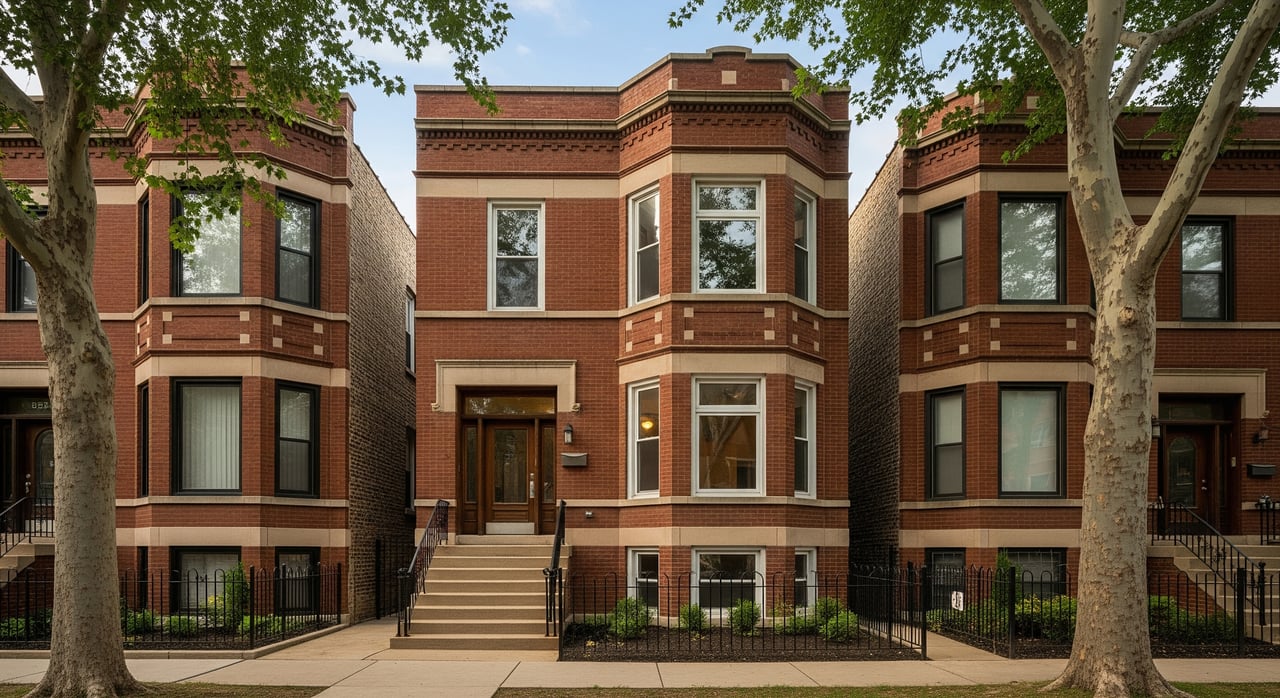
Curious about the classic Chicago two-flat and why so many buyers look for them in Bronzeville? If you want a home that can help pay the mortgage or you’re eyeing a steady rental asset, a two-flat can make a lot of sense. In this guide, you’ll learn what a two-flat is, how it works in Bronzeville, key financing choices, common maintenance needs, and how to evaluate a property before you buy. Let’s dive in.
What a Chicago two-flat is
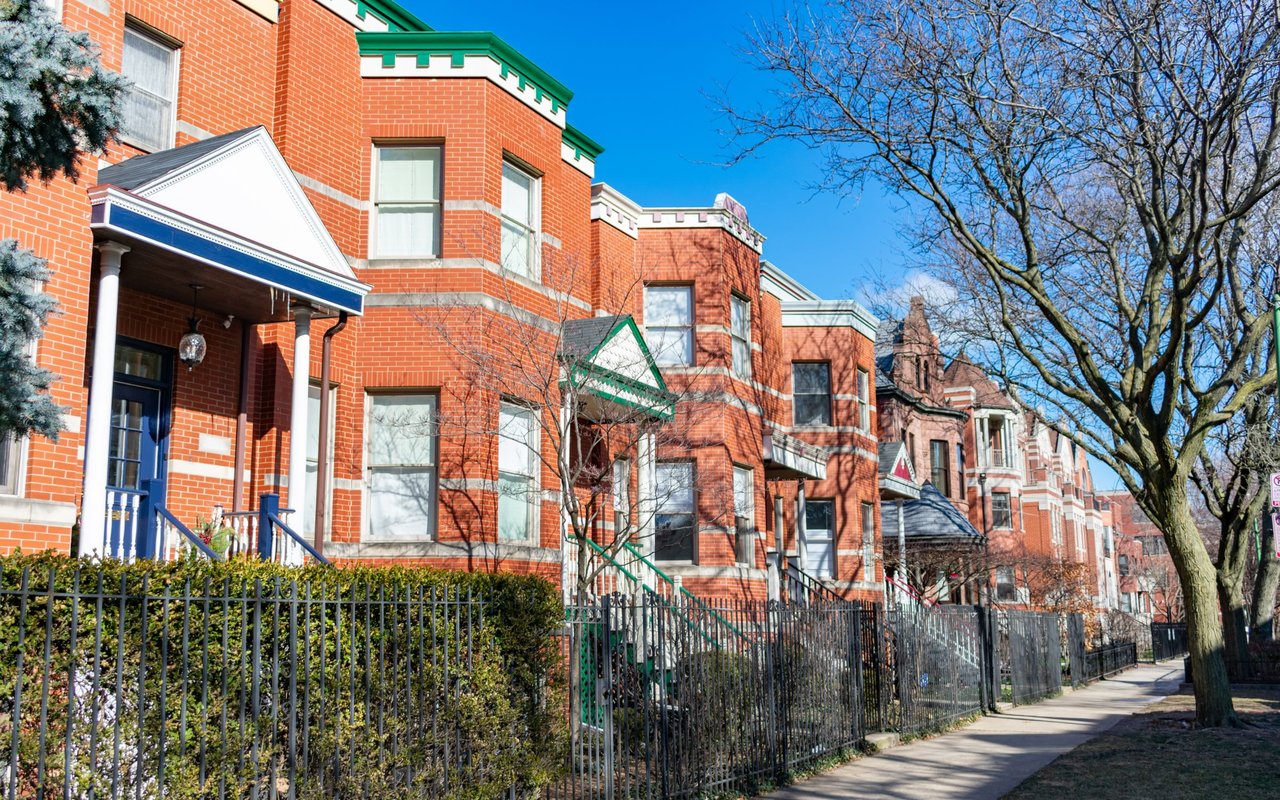
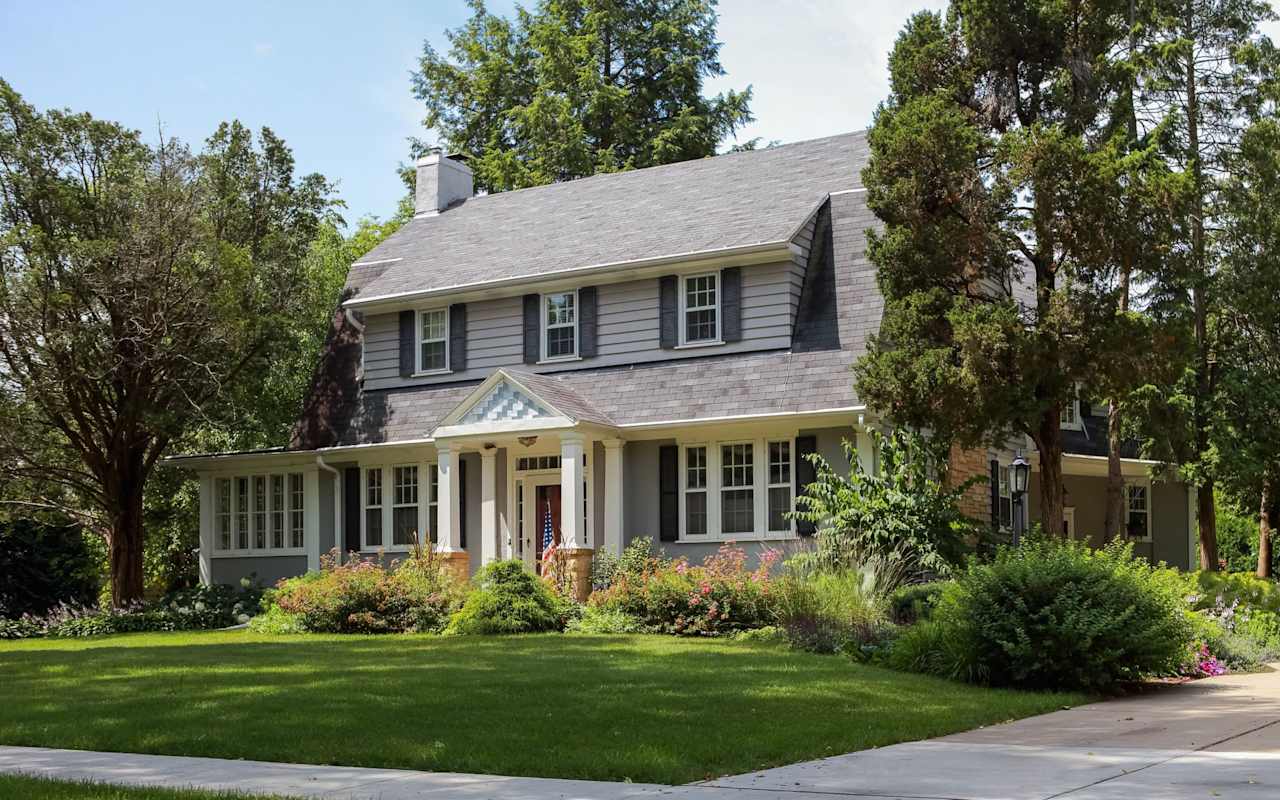
A two-flat is a low-rise residential building with two separate dwellings, usually one apartment on the first floor and one on the second. You also see three-flats in Bronzeville, which are similar but with three units, often one per floor. Most were built in the late 19th to mid-20th century and feature brick or wood framing on masonry foundations.
Classic layouts include 2 to 4 bedrooms per unit, full kitchens, living areas, and a basement that houses utilities or storage. Entrances may be separate or share a common stair. Buildings from this era often have flat roofs, front or side porches, and masonry exteriors that need occasional tuckpointing.
From a legal standpoint, two- and three-flats are multi-family properties under Chicago’s zoning and building codes. Each unit must meet habitability and egress standards. Utilities can be separately metered or combined, which affects tenant billing and your operating costs.
How people use two- and three-flats in Bronzeville
Many owner-occupants buy a two-flat to live in one unit and rent the other. This is a simple way to offset your mortgage while building equity. Small investors also like two- and three-flats for durable rental income and long-term appreciation.
Short-term rentals are less common because Chicago has specific rules and licensing. If you plan on short-term rentals, verify current requirements first. Demand for rentals in Bronzeville can be steady thanks to proximity to transit, jobs, and institutions, but returns vary block by block.
Pros and cons to consider
Owner-occupant pros
- Potentially lower entry costs with certain loan programs for 2–4 units.
- Eligibility for owner-based tax exemptions if you live on-site.
- Daily oversight of maintenance and tenant needs.
Owner-occupant cons
- Less privacy with neighbors above or below.
- You are both a homeowner and a landlord.
Investor pros
- Multiple rental streams from one property.
- Ability to scale a portfolio in one neighborhood.
Investor cons
- Higher down payment and reserve expectations for non-owner purchases.
- Ongoing landlord compliance, maintenance, and capital expense risk.
Financing options and taxes
Several loan types support 1–4 unit purchases. If you plan to live in one unit, you may qualify for programs designed for owner-occupants.
- FHA loans: Popular for owner-occupants buying 1–4 units. Some buyers pair purchase with rehab using FHA 203(k) guidance from HUD. Program rules, condition requirements, and occupancy timelines apply.
- Conventional loans: Available for owner-occupants and investors. Underwriting, down payment, and reserve rules differ for 2–4 units and for non-owner buyers.
- VA loans: Eligible veterans can purchase 1–4 unit homes as a primary residence. Review VA home loan eligibility for current requirements.
- Portfolio lenders: Local banks sometimes finance small multi-family based on market knowledge.
Lenders may count projected or documented rental income from other units toward qualification. Policies vary, so ask your lender exactly what documentation they need.
On taxes, Cook County assesses value and applies local tax rates. If you live in one unit, you may qualify for homeowner exemptions that lower your taxable assessed value. Review eligibility with the Cook County Assessor.
Insurance basics
If you live in one unit and rent the other, your policy should cover owner-occupied needs and landlord risks for the rented unit. Many owners carry dwelling coverage, liability protection, and loss-of-rent coverage tied to rental units. Confirm how common areas, exterior systems, and unit-level items are insured so there are no gaps.
Building systems and common costs
Older Bronzeville buildings are durable but need regular care. Budget for these items during underwriting and inspections:
- Heating: One shared boiler or separate boilers. Confirm age, efficiency, and condition.
- Roof and masonry: Flat roofs, parapets, and tuckpointing are recurring needs.
- Porches and stairs: Structural safety is closely scrutinized and can be costly to fix.
- Electrical and plumbing: Older wiring or undersized service may need upgrading; older plumbing can require repiping.
- Basements and foundations: Watch for water infiltration and confirm legal egress if a basement has a unit.
- Environmental hazards: For pre-1978 buildings, follow EPA lead-based paint rules for disclosure and renovation.
How to find Bronzeville two-flats
On MLS-driven search portals, filter by Multi-family or 2–4 units, then select 2 or 3 units. Use keywords like “two-flat,” “two flat,” “3-flat,” or “duplex” to catch variations. Note that some listings use “duplex” to mean side-by-side layouts, so read descriptions carefully.
Set Bronzeville as your target area and save searches with your price, beds, and baths. Neighborhood boundaries can be tricky, so verify that the map or ZIP codes match the area you want.
Due diligence checklist
- Zoning and unit count: Confirm legal use and number of units with the city. Verify permitted uses and past permits.
- Occupancy and leases: Collect current leases, rent rolls, and security deposit records.
- Licensing and inspections: Chicago rental properties generally need proper licensing and inspection compliance.
- Utilities and meters: Document what is separately metered and what is shared.
- Permits and alterations: Review past building permits. Avoid illegal conversions.
- Inspections: Order a general inspection and specialists as needed for boilers, electrical, structure, pests, or lead testing.
- Insurance: Get landlord policy quotes early. Some lenders require specific coverages.
- Property taxes: Review current tax bills, appeals, and potential exemptions if you will live on-site.
- Capital plan: Price out roof, boiler, tuckpointing, porch, electrical, and plumbing work.
- Rent comps: Compare actual rents to current market levels for similar Bronzeville units.
Compliance to know in Chicago
- Rental licensing and inspections: If you plan to rent, ensure the property is licensed and meets city inspection standards. Requirements can change, so verify current rules with the City of Chicago before closing.
- Lead-based paint: For pre-1978 homes, federal lead disclosure is required, and renovations must follow EPA Renovation, Repair, and Painting guidance.
- Owner-occupancy benefits: Some financing and Cook County exemptions depend on living in the property as your primary residence. Confirm details with your lender and the Cook County Assessor.
When to bring in pros
Hiring an inspector experienced with Chicago multi-family is essential. You may also need a structural engineer for porches or foundations, a boiler specialist, and a licensed electrician. If you plan to hold as a rental, a property management partner can help with tenant screening, maintenance coordination, financial reporting, and compliance.
Ready to explore two-flats in Bronzeville or map out a house-hack strategy? Get local guidance and end-to-end support with Brandon Samuels.
FAQs
What is a two-flat vs a duplex in Chicago?
- A two-flat has two separate apartments, usually one per floor, while “duplex” can mean a two-level unit or side-by-side layout; always confirm the actual floor plan in the listing and at showings.
Can I buy a Bronzeville two-flat with an FHA loan?
- FHA insures loans on 1–4 unit homes for owner-occupants, and may allow rehab through programs like 203(k); review current requirements on HUD’s site and verify specifics with your lender.
Do Chicago two-flats need rental licenses and inspections?
- Rental units in Chicago typically require proper licensing and inspections; confirm the property’s status and current rules with the City of Chicago during due diligence.
What maintenance costs are common for Bronzeville two-flats?
- Plan for flat roof upkeep or replacement, tuckpointing, porch and stair repairs, boiler or heating upgrades, electrical and plumbing updates, and potential basement water management.
How do separate utility meters affect expenses?
- Separate meters let tenants pay their own utilities, which can lower your operating costs; shared meters mean you cover some utilities and build those costs into rent.
Do I need lead disclosures for older two-flats?
- For pre-1978 properties, federal law requires lead-based paint disclosure and lead-safe practices for renovation; see EPA lead guidance and follow compliant procedures.